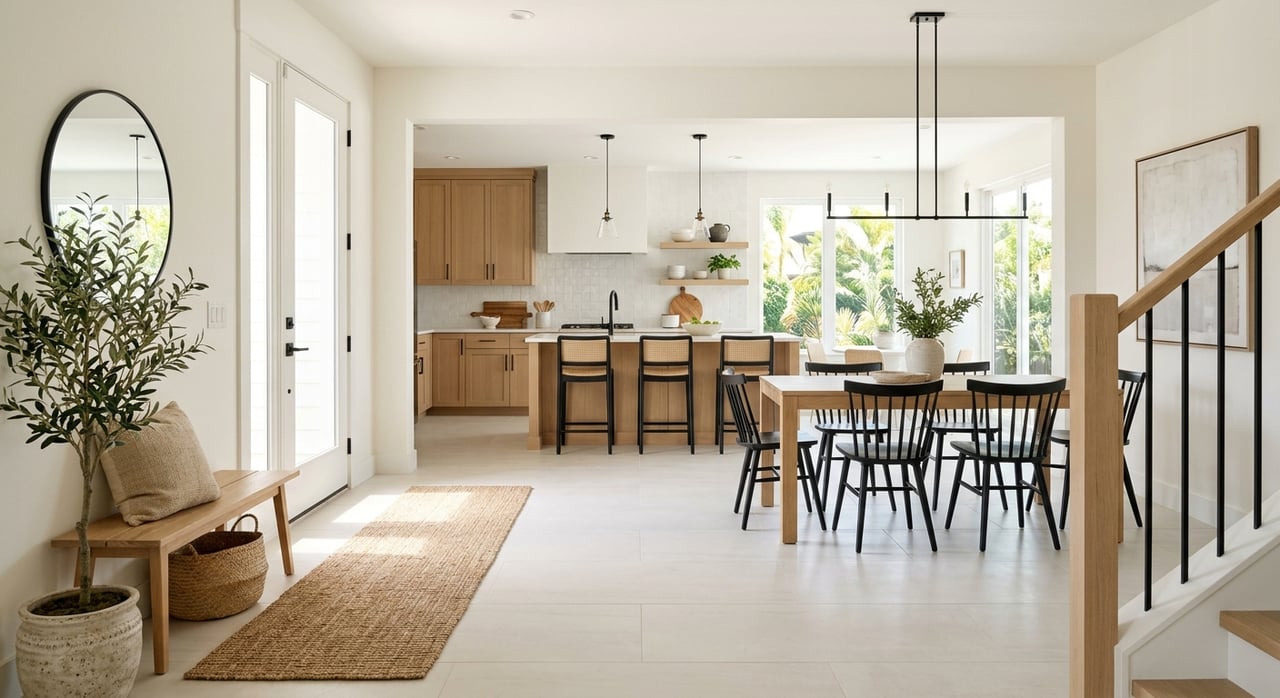
If your Melbourne home has been sitting on the market in your mind before it ever hits the market online, staging deserves your attention. Buyers usually see your home through photos first, and in a market where homes in Melbourne took about 72 days to sell in February 2026 and sold for about 4% below list price on average according to Redfin’s Melbourne housing market data, presentation can shape both interest and momentum. The good news is that strategic staging is not about making your home look fancy. It is about helping buyers see its space, function, and potential from the very first click. Let’s dive in.
Why staging matters in Melbourne
Melbourne is not a market where you can rely on low inventory alone to do all the heavy lifting. Nearby Brevard County had a 3.9-month supply of single-family homes in February 2026, with new pending sales up and new listings down year over year, based on local market reporting cited in the research report. That kind of market can still reward well-prepared homes while making average presentation easier to overlook.
In practical terms, buyers are comparing your listing against every other home they see online and in person. Strategic staging helps your home feel move-in ready, easier to understand, and more memorable. That matters when some homes are receiving multiple offers, but many still need strong marketing and pricing to stand out.
What staging really means
Staging is often confused with interior decorating, but they are not the same thing. Decorating reflects your personal style, while staging is designed to help the widest range of buyers understand the home and picture themselves living there.
According to NAR’s 2025 Profile of Home Staging, staging usually includes practical steps like decluttering, whole-home cleaning, curb appeal improvements, minor repairs, professional photos, paint touch-ups, carpet cleaning, and depersonalizing. In the same report, 83% of buyers’ agents said staging made it easier for a buyer to visualize the property as a future home.
That is the real goal. You are not trying to impress buyers with trends. You are helping them quickly understand the home’s layout, scale, light, and livability.
Start with what buyers see online
Your listing experience usually begins long before a showing. In NAR’s 2025 buyer trends report, 43% of buyers said their first step was looking online for properties, and 51% said they found the home they purchased on the internet. Among internet-using buyers, 83% rated photos as a very useful website feature.
That means your staging plan should support your photo strategy. NAR’s online visibility guidance notes that photos often determine whether buyers click into a listing or keep scrolling. If the lead image and first several photos do not create a strong impression, many buyers may never make it to the showing stage.
For Melbourne sellers, the visual story should feel clean and easy to follow. The research report recommends a sequence that highlights:
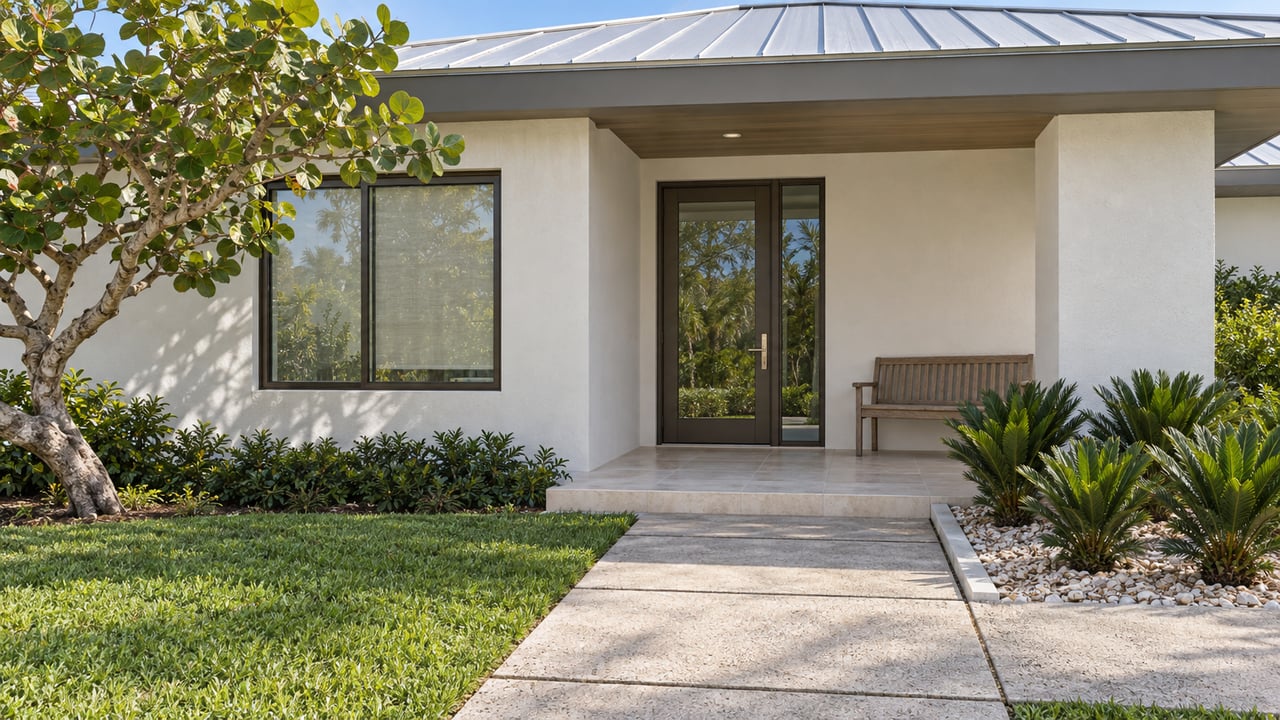
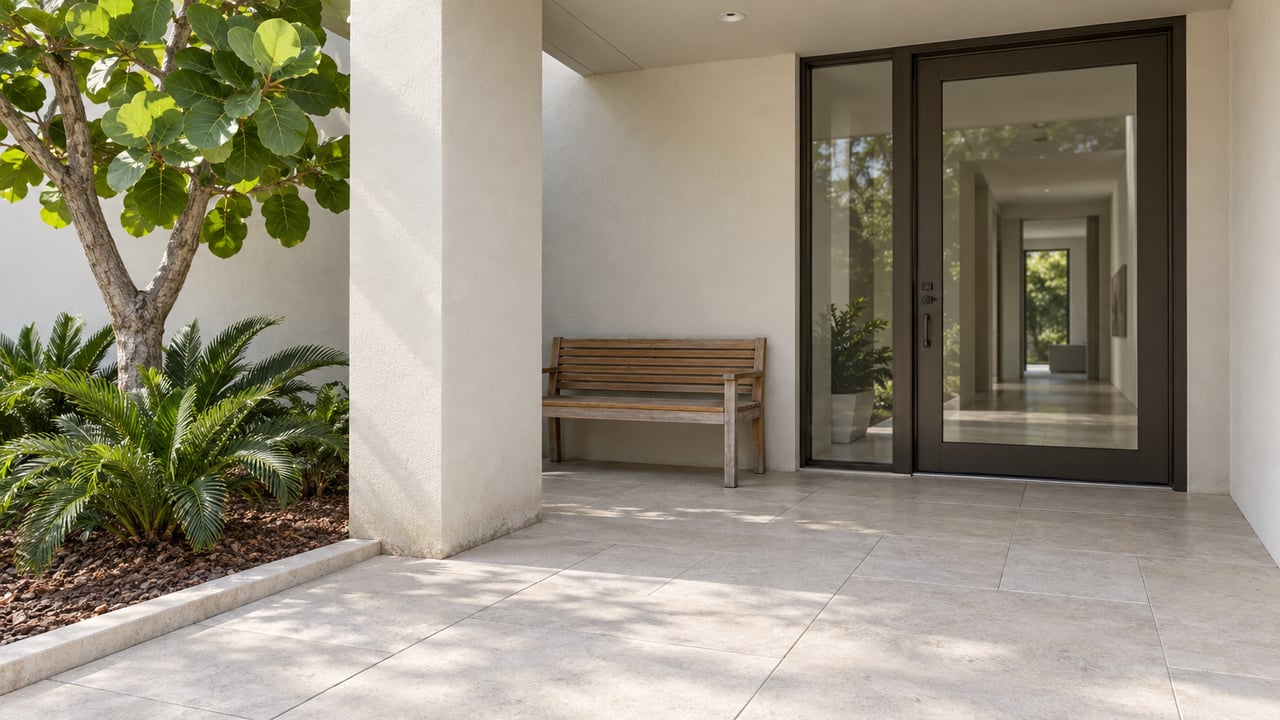
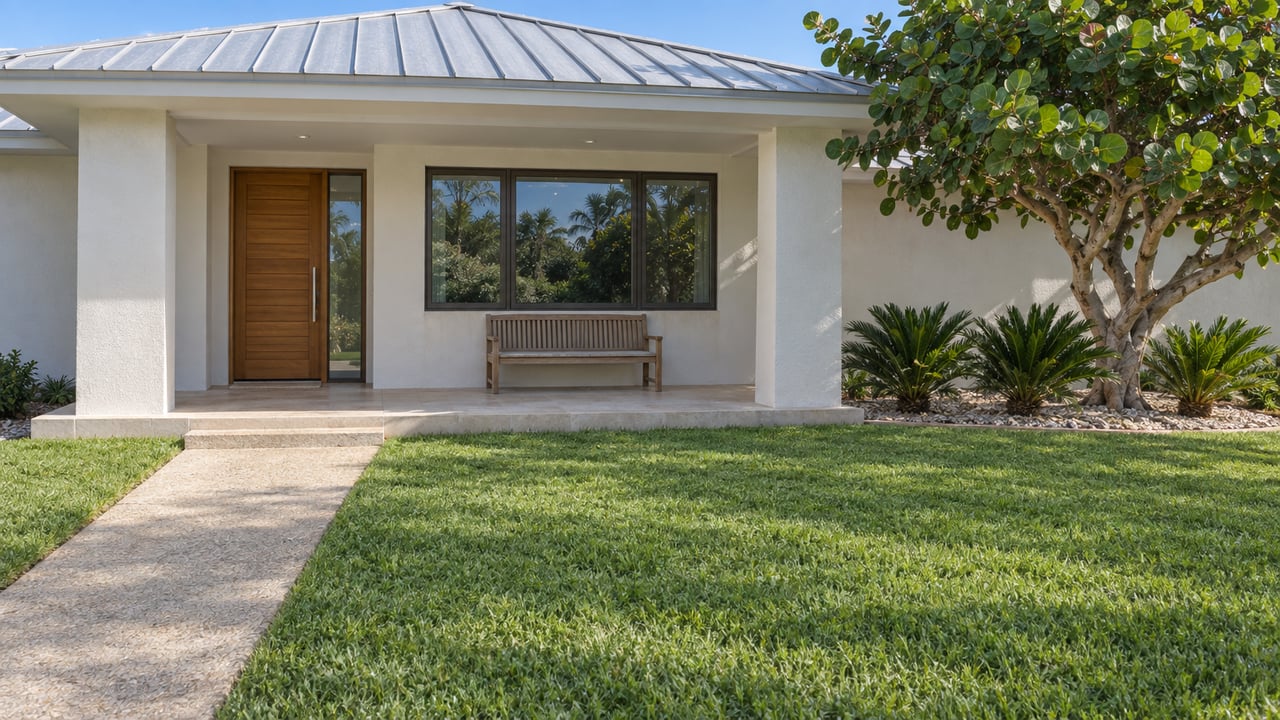
- Exterior curb appeal
- Main living area
- Kitchen
- Primary bedroom
- Bathrooms
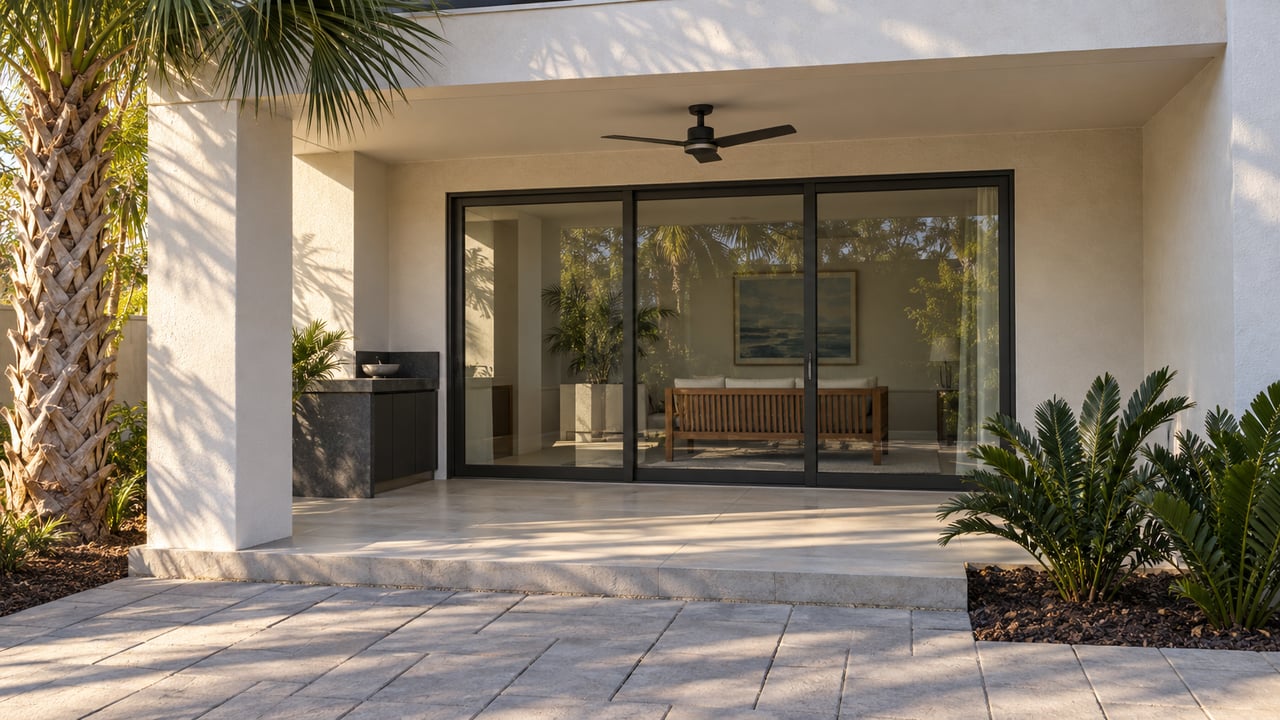
- Outdoor space
This sequence helps buyers understand both the home and the lifestyle it offers.
Which rooms deserve the most attention
Not every room needs the same level of effort. If you want the best return on time and budget, focus first on the spaces buyers notice most in photos and tours.
NAR’s staging research found that the rooms most often staged were:
- Living room: 91%
- Primary bedroom: 83%
- Dining room: 69%
- Kitchen: 68%
These rooms usually do the most work in helping buyers connect emotionally with a home. In Melbourne, outdoor living space can also matter because buyers often value patios, lanais, and other spaces that support Florida’s indoor-outdoor lifestyle.
Here is where to spend your energy first:
Living room
The living room often carries the listing visually. It should feel open, balanced, and easy to move through. Remove extra furniture, clear surfaces, and create a layout that shows the room’s size and purpose.
Kitchen
Kitchens do not need to be fully renovated to show well. Clear countertops, clean finishes, and small touch-ups can go a long way. Buyers should notice workspace, storage, and flow, not clutter or deferred maintenance.
Primary bedroom
The primary bedroom should feel restful and spacious. Neutral bedding, fewer personal items, and simplified furniture can make the room photograph better and feel larger.
Dining room
A dining room helps buyers understand how the home lives day to day and during gatherings. Even a simple, clean setup can help define the space and make the floor plan feel more complete.
Outdoor areas
If your home has a porch, lanai, patio, or backyard seating area, make it count. Clean surfaces, trimmed landscaping, and a few intentional furniture pieces can help buyers connect with the home before they ever step outside.
Occupied and vacant homes need different strategies
The right staging approach depends a lot on whether you still live in the home. That is why a one-size-fits-all checklist rarely works.
According to Realtor.com’s staging guidance, occupied homes often take more coordination because staging has to work around everyday living. They can also cost more and take more time to stage well. The challenge is keeping the home photo-ready while making daily life manageable.
Vacant homes are easier to stage cohesively, but they come with a different problem. Empty rooms can feel cold, smaller than expected, and more revealing of flaws. That is why partial or full staging is often recommended for vacant listings.
A simple breakdown looks like this:
| Home Type | Main Challenge | Best Staging Focus |
|---|---|---|
| Occupied home | Balancing daily life with show-ready presentation | Decluttering, depersonalizing, furniture editing, storage plan |
| Vacant home | Rooms feel empty or flat in photos | Partial or full staging to define scale, purpose, and warmth |
Where staging can pay off
Staging is not just about appearance. It can influence both buyer response and the speed of the sale. According to NAR’s 2025 staging report summary, 29% of agents said staging led to a 1% to 10% increase in the dollar value offered, and 49% of sellers’ agents said staging reduced time on market.
That does not mean every home needs a major staging budget. The same report found the median amount spent was $1,500 when using a staging service, compared with $500 when the seller’s agent personally staged the home. For many sellers, the smartest investment is not a full redesign. It is a focused plan that improves what buyers notice first.
The highest-return staging updates
If you are trying to decide where to spend money before listing, start with the changes that affect both in-person impressions and online photos. Based on the research report, the strongest first moves are usually:
- Decluttering
- Deep cleaning
- Curb appeal improvements
- Minor repairs
- Paint touch-ups
- Carpet cleaning
- Professional photos
These updates tend to create a bigger impact than large projects that may not photograph much better or add value in proportion to their cost. In a Melbourne market where buyers are selective, clean presentation can help you avoid looking overpriced compared with competing listings.
Staging and premium marketing work together
Staging does its best work when it is paired with strong marketing. Buyers are not just looking at photos. They also pay attention to floor plans, virtual tours, and property details.
In NAR’s 2025 buyer report, buyers also rated floor plans (57%), virtual tours (41%), and detailed property information (79%) as useful online features. That means staging should support the full presentation of your home, not just one pretty image.
When your home is prepared well, every part of the marketing package becomes stronger. Photos look cleaner. Virtual tours feel more polished. Room flow makes more sense. And buyers are more likely to book a showing with realistic, positive expectations.
A practical staging plan before you list
If you are preparing to sell in Melbourne, this is a smart order of operations:
- Walk through your home like a buyer and note what feels crowded, dated, or distracting.
- Declutter and depersonalize so rooms feel larger and easier to picture.
- Handle minor repairs and touch-ups before photos highlight them.
- Deep clean every room including floors, windows, and high-visibility surfaces.
- Refresh curb appeal so the first photo earns attention.
- Prioritize key rooms like the living room, kitchen, primary bedroom, dining room, and outdoor space.
- Plan professional photography and marketing assets after the home is fully prepared.
A staged home is not about perfection. It is about reducing friction for buyers and making it easier for them to say yes.
When you are ready to position your Melbourne home for a stronger launch, Pamela Ann Reynolds can help you create a smart staging and marketing plan built around how buyers actually shop today.
FAQs
What is home staging for a Melbourne home sale?
- Home staging is the process of preparing your home to appeal to buyers by improving cleanliness, layout, curb appeal, repairs, and photos so the home shows well online and in person.
Does staging really help homes sell faster in Melbourne?
- Research cited from NAR found that 49% of sellers’ agents said staging reduced time on market, which can matter in Melbourne where homes averaged about 72 days on market in February 2026.
Should an occupied Melbourne home be staged differently from a vacant home?
- Yes. Occupied homes usually need decluttering, depersonalizing, and furniture editing around daily life, while vacant homes often benefit from partial or full staging so rooms feel defined and welcoming.
Which rooms matter most when staging a home in Melbourne?
- The living room, primary bedroom, dining room, and kitchen are the rooms most often staged according to NAR, and outdoor space can also be important for Florida buyers.
What online listing features matter most when selling a Melbourne home?
- Photos matter most, followed by detailed property information, floor plans, and virtual tours, according to NAR buyer research.