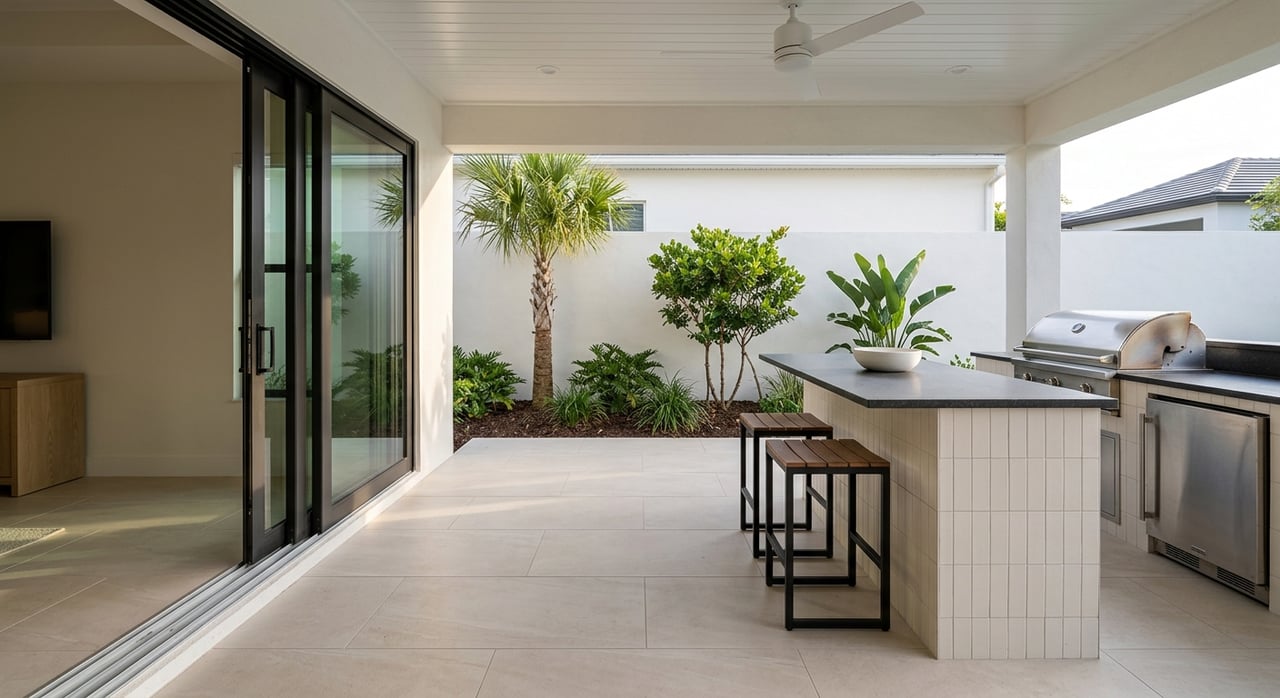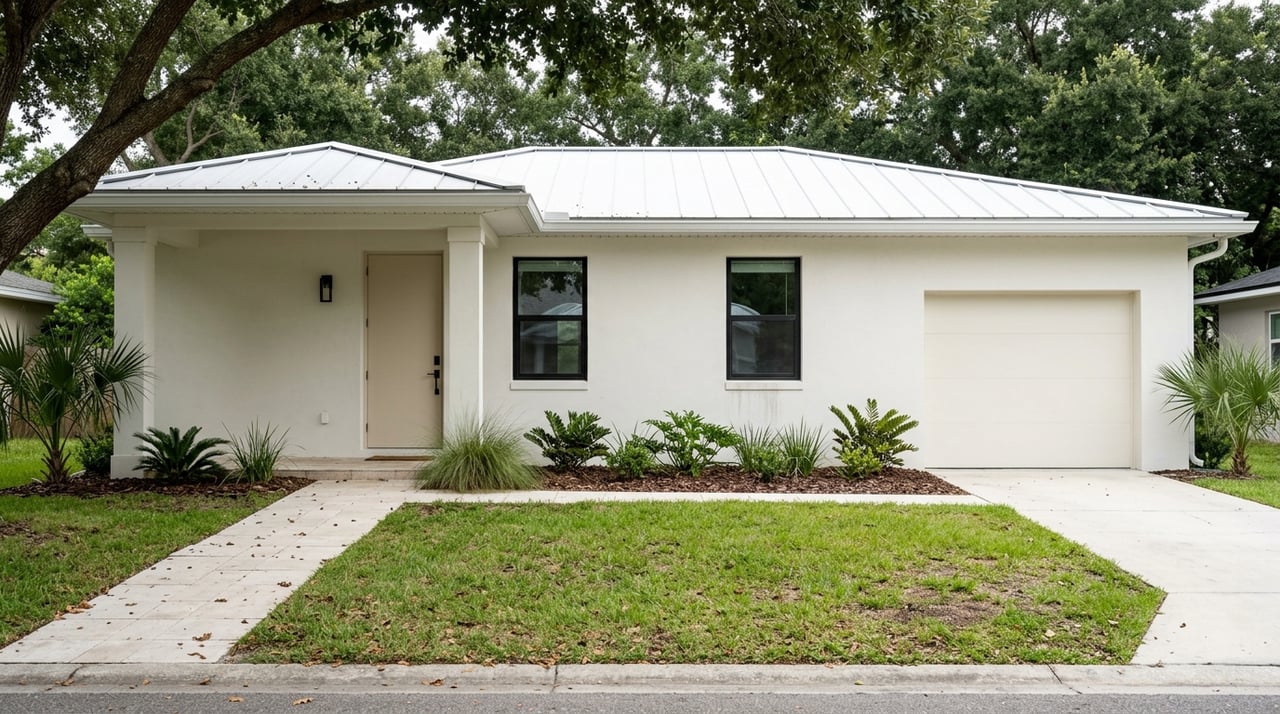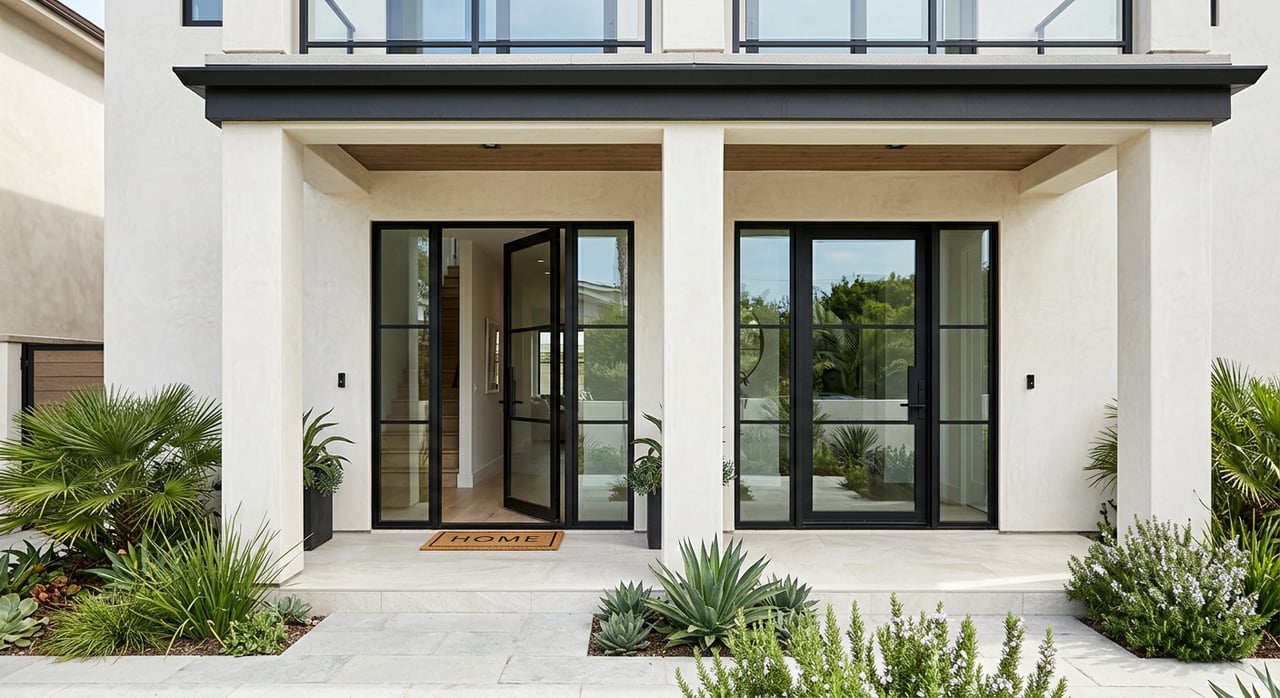
Thinking about buying a rental property in Melbourne or along the beaches? This part of Brevard County gives you a real mix of options, from more moderate-priced inland homes and condos to higher-priced coastal properties with a very different investment profile. If you want to understand where rental demand comes from, how current price and rent numbers compare, and what risks to weigh before you buy, this guide will help you sort through it. Let’s dive in.
Why Melbourne attracts rental investors
Melbourne plays a major role in south and central Brevard County’s economy, which helps support ongoing rental demand. The county population reached 658,447 in July 2024, up 8.5% from 2020, while Melbourne city reached 87,561, up 3.3% over the same period. Population growth does not guarantee investment success, but it does add context when you are looking at long-term housing demand.
Melbourne also has a larger renter presence than Brevard County overall. The owner-occupied housing rate is 59.7% in Melbourne versus 76.7% countywide, which suggests the city has a materially larger share of renters. For investors, that makes Melbourne especially relevant if your goal is to buy in an area with an established rental base.
Another important factor is the local job mix. Regional sources point to aerospace, aviation, business and professional services, IT, construction, health care, hospitality, and manufacturing as key sectors. A broad employment base can help support more stable rental demand because it is not tied to just one employer or industry.
Rental demand in Brevard County
Rental demand in this market is not just about growth. It is also tied to affordability pressure and housing supply. Florida Housing’s 2025 Rental Market Study shows Brevard has 73,316 renter households, and 25,039 of them are low-income, cost-burdened households, equal to 34% of all renters in the county.
That does not mean every rental property will perform the same way. It does mean there is meaningful demand for rental housing across the county. Brevard’s HOME-ARP plan also notes that job growth and increased vacation rental activity have added pressure to the local housing stock.
Property types you will find locally
If you picture this market as only single-family homes, you will miss part of the opportunity. Brevard County’s housing stock is still mostly 1-unit detached homes at 67%, but the county also includes attached homes, smaller multifamily buildings, larger apartment-style buildings, and mobile-home-related housing types. That matters because different investor goals often line up with different property types.
Rental housing also looks different from owner-occupied housing here. The county says 57% of rental housing has two bedrooms or fewer, while 80% of owner-occupied housing has three or more bedrooms. In practical terms, that means condos, smaller homes, and compact rental units can be especially relevant in your search.
Melbourne vs the beaches
If you are comparing inland Melbourne with Indialantic or Melbourne Beach, the numbers point to two different investment stories. One leans more toward cash flow potential. The other leans more toward scarcity, coastal location, and possible long-term appreciation.
Melbourne snapshot
Realtor.com’s April 2026 snapshot for Melbourne shows:
- Median listing price: $399,900
- Median rent: $1,900
- Active listings: 1,455
- Rental properties: 503
- Median days on market: 58
Based on median rent and median listing price, the rough gross rent yield is about 5.7% before expenses like taxes, insurance, maintenance, HOA dues, vacancy, and property management. Zillow’s March 2026 data also shows Melbourne as the more moderate-priced part of this local trade area, with an average home value of $356,354 and average rent of $1,873.
Indialantic snapshot
Realtor.com’s March 2026 snapshot for Indialantic shows:
- Median listing price: $695,000
- Median rent: $2,450
- Homes for sale: 151
- Rentals: 56
- Median days on market: 68
That works out to a rough gross rent yield of about 4.2% before operating costs. Zillow’s current numbers also support the idea that Indialantic is a tighter, higher-priced coastal submarket.
Melbourne Beach snapshot
Realtor.com’s March 2026 snapshot for Melbourne Beach shows:
- Median listing price: $749,000
- Median rent: $3,000
- Homes for sale: 231
- Rentals: 63
- Median days on market: 85
The rough gross rent yield here is about 4.8% before expenses. The market includes beachside areas such as South Beaches, South Reach, Aquarina, Floridana Beach, Sunnyland Beach, and Melbourne Shores, which helps illustrate how this segment tends to be lower-supply and higher-price.
What these numbers mean for investors
The current data suggests inland Melbourne may be more cash-flow-friendly on a gross-yield basis than Indialantic or Melbourne Beach. That does not automatically make Melbourne the better investment for every buyer. It simply means your strategy matters.
If you want stronger rent-to-price math, Melbourne may deserve closer attention. If you are more focused on coastal location, limited supply, or a long-term hold in a premium area, the beach communities may still fit your goals even with thinner gross yields.
This distinction is especially important if you are moving equity from one property into another. A beachside purchase often looks more like a capital-allocation or appreciation-oriented decision than a pure cash-flow play.
Watch supply signals closely
There is no single official local rental vacancy rate in the sources reviewed, so current rental listing counts are the best short-term supply signal available here. Those counts can help you understand whether the market feels tighter or looser right now, even though they are not the same as a formal vacancy survey.
The latest local market pages show Melbourne with 503 rentals, up 23.88% year over year. Indialantic has 56 rentals, down 8.97% year over year, and Melbourne Beach has 63 rentals, down 9.88% year over year. That pattern suggests a looser citywide rental pool in Melbourne and tighter supply in the beach communities.
For you as an investor, that may affect pricing strategy, expected lease-up time, and how conservative your underwriting should be. More supply can mean more competition. Tighter supply can support stronger positioning, but it usually comes with a higher purchase price.
Budget beyond the mortgage
One of the easiest mistakes in rental investing is focusing too much on principal and interest. In this market, the extra ownership costs can have a big effect on your real return. Realtor.com’s local guidance specifically notes the need to budget for taxes, insurance, and maintenance beyond the mortgage payment.
In Melbourne and the beaches, your due diligence should also pay close attention to:
- Flood insurance needs
- Windstorm coverage
- Roof age and condition
- Reserve funding for future repairs
- Condo or HOA assessments, where applicable
- Property management costs, if you do not plan to self-manage
These line items matter everywhere, but they become especially important the closer you get to the coast.
Coastal properties need flood diligence
If you are buying near the ocean, river, or other flood-prone areas, flood review is not optional. Brevard County’s Floodplain Administration is the official repository for FEMA flood maps. The county also notes that lenders may require flood insurance for properties in special flood hazard areas and that flood losses are not covered under most standard homeowners policies.
Local flooding can come from heavy rainfall, tidal surges, tropical storms, and hurricanes. FEMA flood maps identify high-risk zones such as VE, AE, and AO, and flood-zone changes can affect insurance costs. For investors, that means insurance and risk are part of the buy-box, not something to review later.
This issue becomes even more important if you are planning renovations. Brevard County notes that work in a floodplain requires permitting, and substantial improvements that equal or exceed 50% of a structure’s market value can trigger current flood-related building standards. In some cases, that can mean elevation requirements for residential structures.
Condos and smaller properties deserve a look
You do not need to limit your search to detached homes. The local housing mix and market pages both show that condos and smaller residential formats are part of the investment landscape here. That can be helpful if you want a lower entry price than some beachside single-family options or if you are targeting the smaller-unit segment that makes up a large share of local rentals.
Still, condo investing comes with its own homework. Monthly dues, assessment history, insurance structure, and community rules can all affect net performance. A property that looks attractive on rent alone may feel very different once those costs are included.
How a 1031 exchange fits here
If you already own investment property, a 1031 exchange may be part of your strategy. According to the IRS, like-kind exchange treatment applies to real property held for business or investment, not property held primarily for sale and not a personal residence. IRS guidance also notes that some rental properties with limited personal use may still qualify if the applicable use rules are met.
The timing rules are strict. The replacement property must be identified within 45 days after the relinquished property is transferred, and the replacement property must be received by the earlier of 180 days after transfer or the due date of your tax return for that year, including extensions. The IRS also states that a qualified intermediary can facilitate the exchange and that the exchange agreement must limit your rights to the funds.
From a local market standpoint, the bigger question is often strategic rather than technical. If you exchange into Melbourne proper, you may be aiming for stronger income potential based on current price-to-rent math. If you exchange into Indialantic or Melbourne Beach, you may be trading for coastal location, scarcity, or a different long-term portfolio goal.
A practical way to evaluate rentals here
Before you buy, try to compare each candidate property through the same lens. That can help you avoid falling in love with a location while missing the numbers behind it.
Use a checklist like this:
- Compare list price to realistic local rent
- Estimate taxes, insurance, and maintenance
- Review flood zone and flood insurance needs
- Check roof age and major system condition
- Confirm HOA or condo dues and assessment history
- Look at current rental supply in that submarket
- Decide whether your goal is cash flow, appreciation, or a blend of both
That last point is the key. Melbourne and the beaches can both make sense for rental investors, but usually not for the exact same reason.
If you want help sorting through Melbourne, Indialantic, or Melbourne Beach opportunities, local context makes a big difference. Working with Pamela Ann Reynolds gives you a more grounded way to compare neighborhoods, property types, and investment goals before you make your move.
FAQs
Is Melbourne better than the beaches for rental cash flow?
- Based on current median price and rent data, Melbourne appears more cash-flow-friendly on a rough gross-yield basis than Indialantic or Melbourne Beach.
What rental property types are common in Melbourne and Brevard County?
- In addition to detached single-family homes, the local housing stock includes attached homes, smaller multifamily buildings, larger multifamily buildings, condos, and mobile-home-related housing types.
Is rental demand strong in Melbourne, Florida?
- Local population growth, a broad employment base, and the large number of renter households in Brevard County all support the case for ongoing rental demand.
What extra risks come with beachside rental property in Brevard County?
- Coastal and river-adjacent properties require close review of flood zones, flood insurance needs, storm risk, permitting, and the possible impact of substantial-improvement rules.
Can a rental property in Melbourne or the beaches work in a 1031 exchange?
- A rental property can potentially qualify for a 1031 exchange if it is held for business or investment and the IRS timing and exchange rules are followed.
Should you consider condos for rental investing in Melbourne and the beaches?
- Yes, condos can be relevant in this market, especially where smaller units fit local rental demand, but you should carefully review dues, assessments, insurance structure, and community rules.