Craving the beach breeze but also love a big backyard and easy errands? Choosing between mainland Melbourne and beachside Indialantic is one of the most common questions buyers ask on the Space Coast. Both areas offer real strengths, and the right fit comes down to how you live, commute, and budget for ongoing costs. In this guide, you’ll compare prices, housing types, lifestyle, commute realities, and flood and insurance considerations, plus get real buyer scenarios and a due-diligence checklist to make a confident choice. Let’s dive in.
At a glance: prices and homes
Melbourne and Indialantic sit just a few miles apart, but what you get for your money can feel very different.
- Indialantic typical home value: about $592,000 (data through Jan 31, 2026).
- Melbourne city typical home value: about $351,000 (data through Jan 31, 2026).
- Scale: Melbourne is a mid-size city of about 87,600 residents, while Indialantic is a compact barrier-island town of roughly 3,000 people. Melbourne’s larger size means wider inventory; Indialantic’s island geography means limited supply and higher prices per square foot.
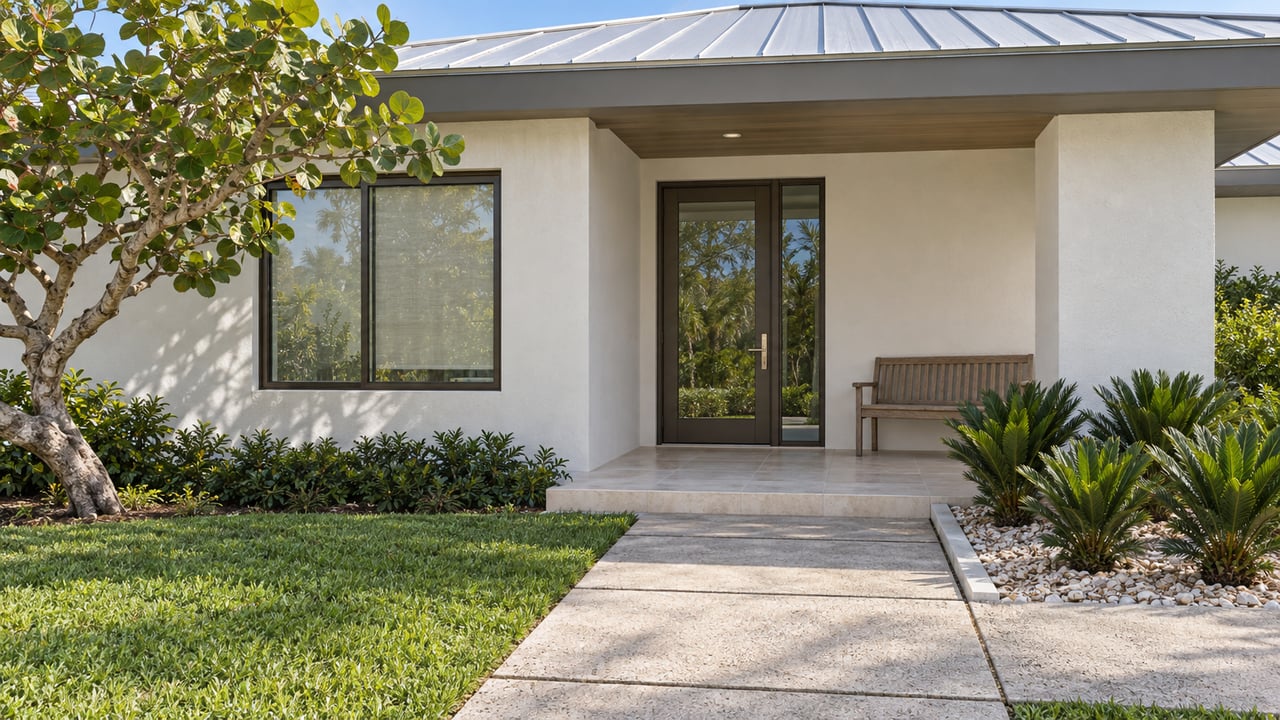
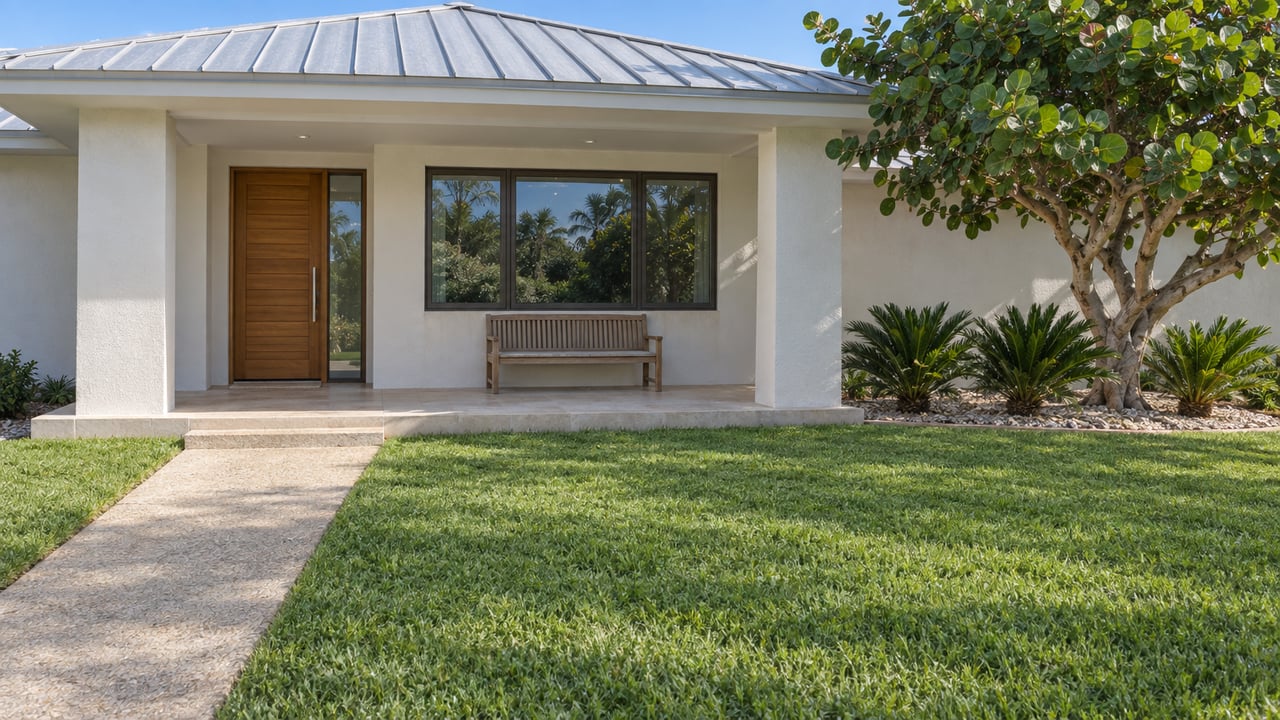
Indialantic’s housing stock leans toward beach condos, compact cottages, and some river or canal homes. Yards tend to be smaller on the island. Melbourne spans older ranch homes, mid-range subdivisions, and some higher-end downtown and waterfront pockets. If you want more house and yard in the mid $300k to $400k band, the mainland usually offers more choices.
What your dollar buys
- Indialantic: Expect a premium for proximity to the ocean. You will see a mix of oceanfront towers, river-canal homes, and inland single-family homes. Many buildings have HOA or condo dues, and some projects have recent or pending capital needs you will want to review.
- Melbourne: You generally find more single-family options with two-car garages and larger yards, including newer subdivisions west of I-95. The city’s diversity of product types creates more “value per square foot” choices for many buyers.
Ongoing costs to factor in
- Property taxes: Rates vary by municipality and district. Use Brevard County’s parcel tools and tax estimator to check a specific address.
- HOA and condo dues: Common on the island and in some gated communities. Condo dues can materially change the monthly payment compared with a similar-price mainland home. Always review budgets, reserves, recent assessments, and master insurance.
- Single-family home insurance can be costly if the home is older and does not have a newer roof, windows, etc.
Lifestyle and local amenities
Indialantic beach life
If daily ocean access is your priority, Indialantic delivers a classic beach-town vibe with a walkable boardwalk at Nance Park, local cafés, and an easy coastal rhythm. Shopping and broader services are more limited within town, so residents often hop across the causeway for larger stores and medical care. Learn more on the town’s official site at the Town of Indialantic.
Melbourne convenience and jobs
On the mainland, you get a revitalized historic downtown, the Eau Gallie Arts District, wider retail choices, and key job hubs like the airport corridor and nearby suburban employment centers. If you work in aerospace, defense, engineering, healthcare, or near the airport, living in Melbourne can simplify your commute and errands.
Commute realities across the causeways
Headline travel times look similar on paper. Average commute is about 22.8 minutes for Melbourne and roughly 21.9 minutes for Indialantic, but your actual time depends on your exact route and which bridge you use. The main connectors are the SR 192 Melbourne Causeway, SR 518 Eau Gallie Causeway, SR 404 Pineda Causeway, and farther north SR 520. Because congestion often concentrates on these bridges, run real-address routing during commute hours before you pick a side of the river. For a practical planning overview, see this Space Coast relocation primer on running commute routes during peak hours.
Flood, insurance, and coastal maintenance
Proximity to the ocean is a lifestyle upgrade, and it also changes your risk and recurring costs. Here is how to approach it.
Flood zones and property-level risk
Lenders and the National Flood Insurance Program rely on FEMA’s Flood Insurance Rate Maps to determine if flood insurance is required. Start by pulling the property’s regulatory flood zone on the FEMA Map Service Center. Then layer in a property-level view of 30-year risk using the First Street Foundation’s Flood Factor methodology, described here: How Flood Factor models risk.
Many barrier-island parcels in Indialantic fall into AE or VE zones and show higher modeled flood risk than many inland Melbourne neighborhoods. For specific parcels, public records can show flood zone designations and elevation details; here is a sample Brevard parcel viewer for reference: Brevard parcel example.
Insurance market context
Florida’s homeowners insurance market has seen elevated premiums and shifting carrier guidelines. Coastal and older properties often face higher wind and hurricane pricing, and flood premiums rise when a property sits in a Special Flood Hazard Area. For context on statewide dynamics, review this overview from Insurance Journal. Flood premiums vary by address, but one estimate places Brevard County’s average near $1,009 annually; use this only as a starting point and get address-level quotes through your insurance pro. See a county-level comparison on Insurify’s Florida flood insurance guide.
Coastal maintenance and permitting
Waterfront ownership can include seawall and dock maintenance, dune restoration, and tighter permitting. Projects near the shoreline may require county permits and approvals related to Florida’s Coastal Construction Control Line. Start with the Florida Department of Environmental Protection’s index to find the right contacts and rules: Florida DEP A to Z. These costs can add up, so build a maintenance reserve into your budget if you choose the beach.
Which side fits your goals?
Use these quick profiles to match your priorities.
- Scenario A — Commute, lower purchase price, and a backyard: You will likely find more options and better per-square-foot value in mainland Melbourne’s neighborhoods and newer subdivisions.
- Scenario B — Beach lifestyle and walkable ocean access: Indialantic is the better fit if you are comfortable with higher per-square-foot prices, potential HOA or condo dues, and elevated wind and flood insurance.
- Scenario C — Family with school priority and a modest commute: Evaluate both. GreatSchools currently shows a 10/10 rating for Indialantic Elementary. Always confirm school assignments directly with the district since boundaries can change. See the current school profile on GreatSchools.
- Scenario D — Investor focused on rental income: Indialantic’s beach condos can see strong seasonal demand, but association documents and town rules may limit short-term rentals. Melbourne often offers steadier long-term rental demand near employers. Always verify restrictions with the association and town. Start with the Town of Indialantic.
Buyer checklist for Melbourne and Indialantic
Work through this list as you compare specific addresses.
- Confirm the parcel’s FEMA flood zone and panel on the FEMA Map Service Center. If it is in an A, AE, or VE zone, most lenders will require flood insurance.
- Get a property-level 30-year risk view using First Street’s modeling. Learn how Flood Factor evaluates risk here: Flood Factor methodology.
- For condos, request the association’s master insurance policy, certificate of insurance, reserve study, and any recent special assessments. Use these to gauge your HO-6 needs. See a helpful primer on Florida condo insurance requirements.
- Secure address-level quotes for homeowners, wind, and flood insurance and compare private flood with NFIP. Use county averages only as a baseline. Reference: Florida flood insurance overview.
- Check taxes, exemptions, and assessed values using the Brevard County Property Appraiser.
- For waterfront or beach properties, order a seawall and dock inspection and request permit history. Some work may require approvals related to the CCCL. Start with Florida DEP A to Z.
- Review HOA or condo bylaws, budgets, meeting minutes, insurance declarations, and any rental restrictions. If short-term rentals matter, confirm rules with the association and the Town of Indialantic.
- Test-drive your commute during peak hours from the exact address to your job site. Bridge congestion patterns can change real-world times. See this relocation guide’s note on commute routing.
How to make the call
- Start with budget and monthly cost. Compare two or three homes side by side, including taxes, HOA or condo dues, and real insurance quotes.
- Map your daily life. Time the school run, beach access, and work commute during peak hours using the causeway you will drive most often.
- Align lifestyle with risk tolerance. If the ocean is a daily non-negotiable, budget for higher insurance and maintenance. If yard space and value drive the decision, focus on mainland neighborhoods with the features you want.
Ready to weigh your short list with local insight and real numbers? Reach out to Pamela Ann Reynolds for a beachside versus mainland consult, address-level insurance referrals, and neighborhood tours tailored to how you live.
FAQs
What are typical home prices in Melbourne vs Indialantic?
- As of late January 2026, Zillow’s observed values put Melbourne around $351,000 and Indialantic around $592,000. Use live MLS data and recent comps for your exact target neighborhood.
Is flood insurance required for Indialantic homes near the ocean?
- If the property is in a FEMA Special Flood Hazard Area (A, AE, or VE), lenders usually require flood insurance; check the address on the FEMA Map Service Center and compare quotes with an agent.
How much do flood premiums run in Brevard County?
- A county-level estimate places the average near $1,009 annually, but pricing varies widely by address and elevation; get property-specific quotes and see context in Insurify’s flood insurance overview.
Will I face longer commutes if I live beachside but work near the Melbourne airport?
- Average times are similar on paper, but causeway traffic can add minutes; test-drive your route during peak hours, since SR 192 and SR 518 carry most beachside-to-mainland trips.
How do HOA or condo dues affect costs in Indialantic?
- Condo dues cover shared expenses and master insurance; owners often still need an HO-6 policy. Review budgets, reserves, and recent assessments, and see this primer on Florida condo insurance.
Can I run a short-term rental in Indialantic?
- It depends on the association and local rules; many condos restrict rentals or set minimum terms. Verify with the building and check town information at the Town of Indialantic.