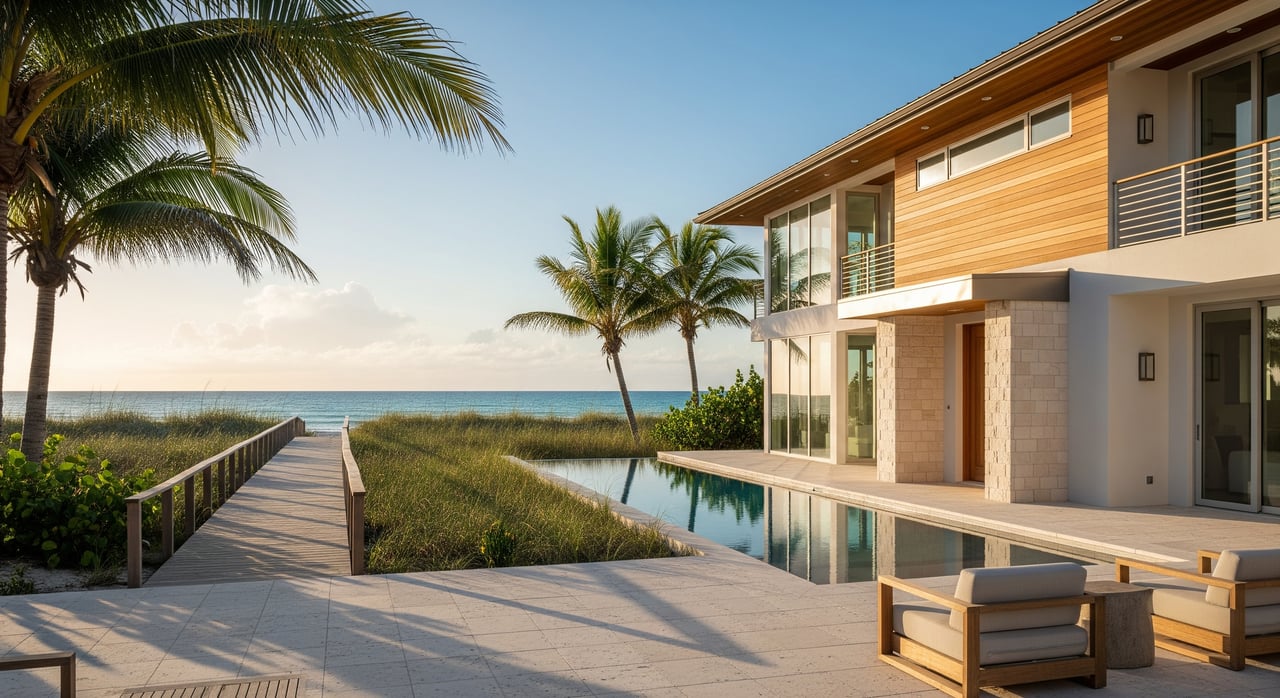
Thinking about buying in Indialantic but not sure how this small beach market really works? You’re not alone. With limited listings and big differences between oceanfront, riverfront, and inland homes, it can be tough to know when to act and what to offer. In this guide, you’ll learn how inventory typically behaves, the best timing for your search, the terms that help your offer stand out, and the coastal due diligence that protects your investment. Let’s dive in.
Why Indialantic stands out
Indialantic sits on a barrier island along Florida’s Space Coast, tucked between Indian Harbour Beach and Melbourne Beach. It is a compact, primarily residential community with a mix of full‑time residents and seasonal owners. You get oceanfront on one side and the Indian River Lagoon on the other, with a small commercial stretch along A1A and quick access to Melbourne jobs and amenities.
Compared with larger, more tourist‑focused markets like Cocoa Beach, Indialantic is smaller and more residential. That means fewer listings at any given time and a higher share of single‑family homes. When inventory is tight, one new listing can materially change your options.
What you’ll find on market
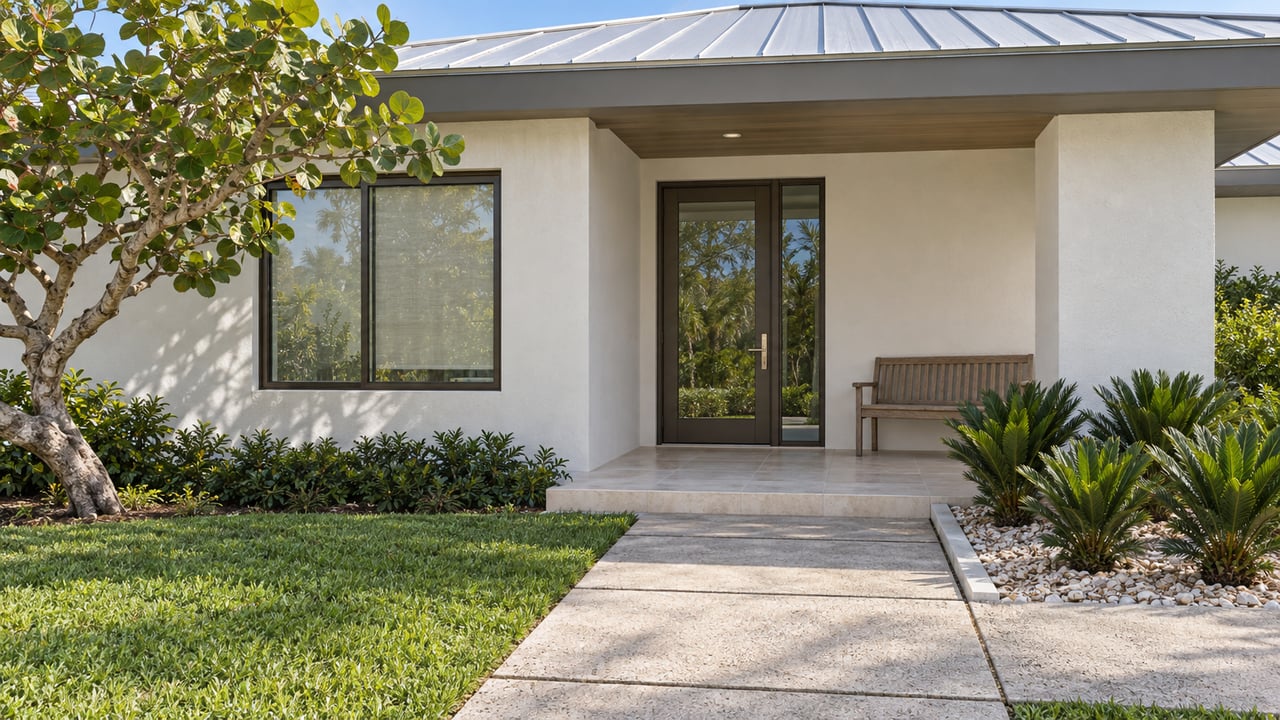
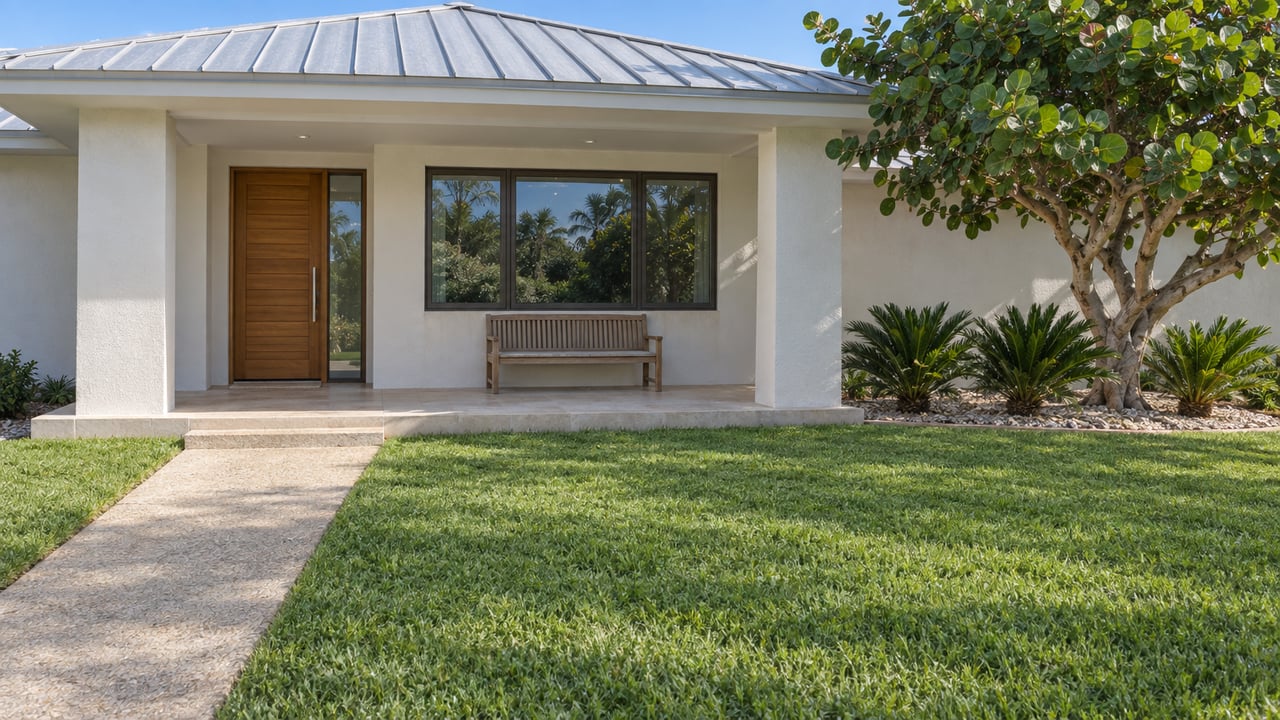
Common property types
- Single‑family oceanfront and near‑ocean homes, including original cottages and rebuilt residences.
- Lagoon, intracoastal, and canal homes with seawalls and boat‑friendly lots.
- Low‑ to mid‑rise condos and townhomes, often fewer than in larger beach towns.
- Tear‑downs and infill builds on modest lots, sometimes with vertical designs.
What drives pricing
- Location and view: oceanfront vs non‑oceanfront, ocean view vs lagoon view.
- Lot setup and access, including parking and usability on narrower lots.
- Age and condition: original mid‑century cottages vs recent renovations or rebuilds.
- Coastal protection: seawall condition on lagoon frontage and dune protection on oceanfront.
Listing details to watch
- “As‑is” or major renovation disclosures, common with older beach cottages.
- Flood zone and base flood elevation details that affect insurability and rebuild costs.
- HOA or condo rental rules if you plan seasonal use or investor holding.
- Parking, access, and any constraints that impact everyday usability and maintenance.
Seasonality and timing
High‑season momentum
Buyer interest typically increases from late fall through spring, roughly November to April. You can expect more showings and more competition in this window. Some sellers time listings for maximum visibility, so you may see more interesting options, but you’ll also compete with out‑of‑town buyers.
Summer opportunities
Summer can be slower, with fewer seasonal buyers. You may find more motivated sellers and room to negotiate on terms. Keep in mind that hurricane season can reveal maintenance items, which is useful for due diligence but can also extend repair timelines.
Shoulder‑season strategy
If you want to balance selection and leverage, consider late spring or early fall. Pressure from seasonal demand may be lower, while inventory can still present solid options.
Smart search strategy
Expand your map
Because Indialantic is small, inventory can be limited. Expand your search to Indian Harbour Beach, Satellite Beach, Melbourne Beach, and select parts of Melbourne. You may find similar homes with meaningful price or condition differences.
Prioritize your A‑list
Create an A/B/C list of priorities so you can act quickly when an A‑list property hits the market. In this micro‑market, days matter. Align on must‑haves like view corridor, renovation level, and parking setup.
Watch off‑market
In tight markets, some homes sell quietly. Ask your agent to monitor coming‑soon and pocket listings. Local relationships can surface options before they go live.
Winning offer terms
Financing preparation
- Get a full pre‑approval and have proof of funds ready for earnest money.
- Coordinate with your lender for fast underwriting and a strong loan commitment.
- If you are considering an appraisal gap, confirm your comfort level and reserves.
Terms sellers value
- Clean offers with clear contingency timelines.
- Flexibility on closing date or occupancy to reduce seller disruption.
- Consider a seller rent‑back if it fits your plans and lender guidelines.
Inspections and appraisal
- In a competitive moment, a pre‑inspection or shorter inspection period can stand out. Balance speed with the risk of missing costly issues.
- Use an escalation clause only if it aligns with local norms and your budget.
- If you are financing, communicate appraisal timelines clearly and prepare for potential gaps on premium oceanfront properties.
Coastal due diligence checklist
Buying on a barrier island adds a few critical steps. Build these into your timeline before you commit.
Flood risk and insurance
- Verify FEMA flood zone and base flood elevation for each property.
- Review any history of flood or storm damage in the area.
- Get flood‑insurance estimates early, including private market options.
- Understand elevation and construction features that reduce risk.
Wind, hurricane, and building code
- Confirm compliance with current Florida building codes for coastal structures.
- Ask about wind‑mitigation features and potential insurance credits.
Seawalls, dunes, and shoreline
- For lagoon and canal homes, assess seawall condition and maintenance responsibility.
- On oceanfront, learn local dune protection rules and any planned shoreline projects.
Utilities and drainage
- Confirm sewer vs septic and factor in inspection requirements.
- Ask about drainage patterns and standing water after heavy rain or storms.
HOA and condo governance
- Review rental restrictions, reserve levels, assessment history, and any special assessments.
- Understand minimum stays and registration rules if seasonal rental is part of your plan.
Title and access
- Confirm access easements, public right‑of‑way near dunes or paths, and any coastal access limitations.
What data to track now
Market conditions shift quickly in small coastal towns. Ask your agent to pull current figures before you set price expectations.
- Active listings and new listings per month for Indialantic.
- Months supply of inventory or absorption rate.
- Median and average sale price and price per square foot by property type.
- Average days on market and the sale‑to‑list price ratio.
- Share of cash sales vs financed purchases and investor activity.
- Recent comparable sales for your target view corridor and build type.
- New construction and permits in the past 12 months.
Condo vs single‑family
Condos and smaller units often move faster because they appeal to seasonal owners and investors. If you prefer lower maintenance and potential seasonal use, a condo can be a fit, provided the community’s rental and reserve policies align with your goals. If you want maximum privacy, parking flexibility, and control over renovations, a single‑family home may be better. Either way, review governance documents and insurance details early in the process.
Your next steps
- Clarify your A‑list must‑haves and acceptable trade‑offs.
- Get fully pre‑approved and discuss appraisal and inspection strategies.
- Decide your timing window based on seasonality and flexibility.
- Line up insurance and flood‑zone due diligence before you write.
If you want a calm, step‑by‑step plan tailored to Indialantic and nearby beach towns, reach out. You’ll get local insights, off‑market monitoring, and a data‑driven strategy that helps you move with confidence. Connect with Pamela Ann Reynolds to start your Indialantic home search.
FAQs
Is Indialantic pricier than nearby towns?
- It depends on the product. Compare within the same property type and view corridor. Oceanfront will price differently than inland or lagoon, and condition can swing value. Use recent comparable sales across Indialantic, Indian Harbour Beach, Satellite Beach, and Melbourne Beach for a realistic picture.
How risky is buying on a barrier island?
- Coastal risks exist, including flooding, storm surge, and erosion. Reduce risk by verifying FEMA flood zone and base flood elevation, securing proper flood and wind insurance, and prioritizing homes with elevation or mitigation features.
How do I compete with low inventory?
- Be fully pre‑approved, keep your offer clean, and use seller‑friendly terms like flexible closing or clear contingency timelines. Expand your search to adjacent towns and monitor off‑market opportunities to widen your options.
What extra costs should I budget for?
- Plan for flood insurance, higher wind and hurricane premiums, salt‑exposure maintenance, and any HOA or condo dues. Oceanfront rebuild and repair costs can be higher, so factor that into reserves.
Are condos or single‑family homes better for seasonal use?
- Condos can fit seasonal patterns and may move faster, but rental rules vary by building. Single‑family homes offer more control and privacy. Review governance documents and insurance early to see which option aligns with your goals.