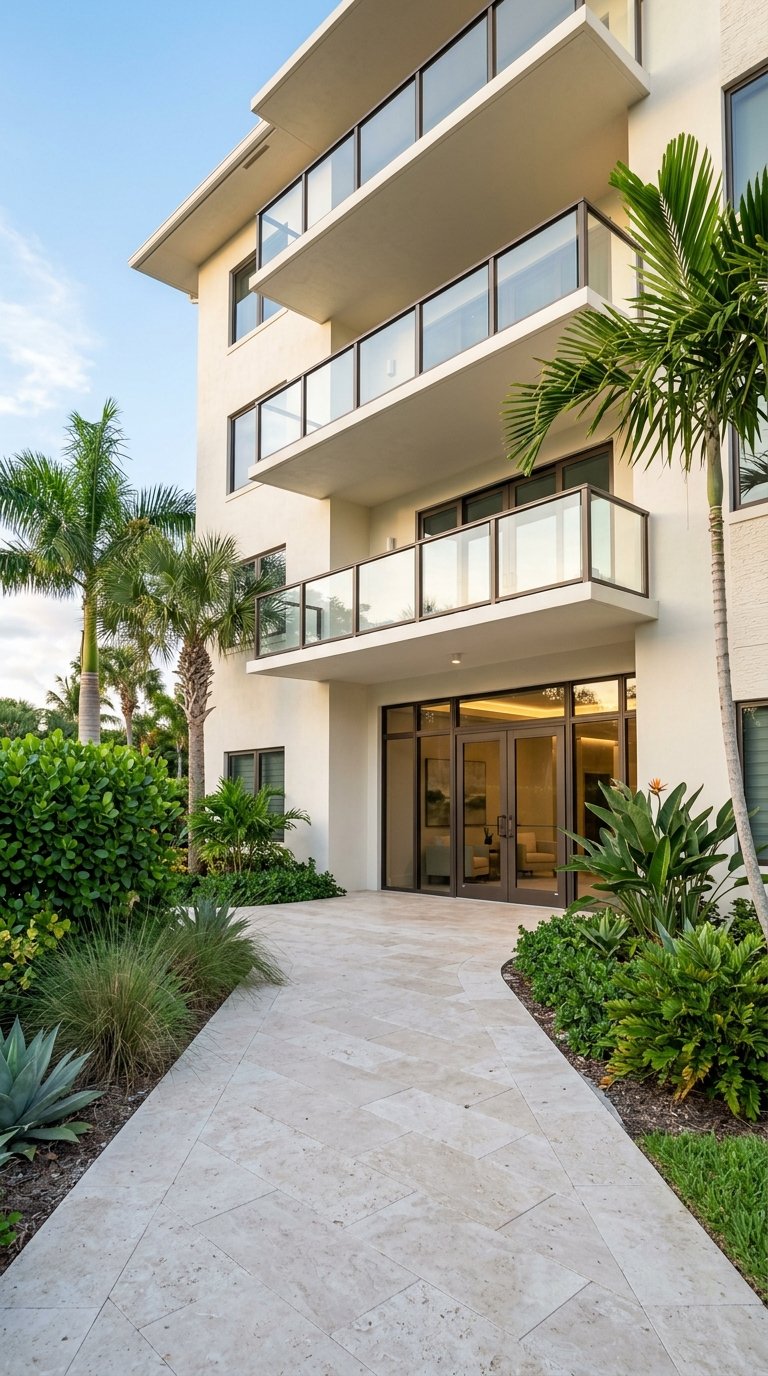
Buying a condo in Indialantic can feel simple at first. You find the view you love, compare prices, and start picturing beachside living. But with condos, the unit is only part of the purchase. You are also buying into a condominium association, its budget, its rules, and its long-term maintenance plan. If you understand how that works before you close, you can avoid surprises and make a more confident decision. Let’s dive in.
Condo associations in Indialantic
When you buy a condo in Indialantic, you are usually dealing with a condominium association governed under Florida’s Chapter 718, not just a general HOA. That matters because condo associations have specific legal and financial responsibilities tied to the building and common property.
In most cases, the association maintains common elements like the pool, elevators, grounds, structural components, and shared spaces. Your ownership typically covers the interior portions of your unit, while the declaration of condominium explains where your unit boundaries stop and where association responsibility begins.
That same declaration also outlines what your dues pay for, who handles maintenance, what use restrictions apply, and how changes to the rules can happen. In a beachside market like Indialantic, those details can affect both your monthly costs and your day-to-day experience as an owner.
What condo fees usually cover
One of the biggest questions buyers ask is simple: what do the monthly fees actually include? In recent active Indialantic condo listings, fees reviewed in the research ranged from $622 to $958 per month, and one quarterly fee of $2,685 worked out to about $895 per month.
Those numbers only tell part of the story. Several listings bundled costs such as water, sewer, trash, cable, internet, insurance, maintenance, and pest control into the fee. Others highlighted amenities like pools, direct beach access, community rooms, secured lobbies, and locked entry features.
That is why it helps to compare condos by total ownership cost, not just by list price or monthly dues alone. A higher fee may include more services, stronger maintenance coverage, or access to amenities that would cost you more elsewhere.
Regular assessments vs special assessments
Florida condo associations collect regular assessments at least quarterly. These recurring fees fund the shared expenses needed to operate and maintain the property.
You should also know about special assessments. These are separate charges for expenses outside the annual budget, and they can come up when a building needs major repairs, deferred maintenance, or capital improvements.
For you as a buyer, this is where the association’s budget and reserve planning become especially important. If a building has upcoming projects or underfunded reserves, your future ownership costs may look very different from the current monthly fee shown in the listing.
Documents every buyer should review
Florida gives resale condo buyers important disclosure rights, and those documents can tell you a lot about the health of the association. Before closing, the seller is required to provide current copies of key records, and if the required documents are delivered, you generally have a 7-day cancellation window after receipt.
The required package for a resale purchase includes:
- Declaration of condominium
- Articles of incorporation
- Bylaws and rules
- Most recent annual financial statement
- Most recent annual budget
- FAQ document
- Milestone inspection summary, if applicable
- Most recent structural integrity reserve study, if applicable
- Turnover inspection report, if applicable
If the required documents are not delivered as required, the contract is generally voidable before closing. That makes the review period more than just a formality. It is one of your best chances to understand what you are buying beyond the walls of the unit.
What these condo documents tell you
Declaration of condominium
This is one of the most important documents in the file. It defines unit boundaries, common elements, maintenance responsibilities, use restrictions, insurance obligations, and how amendments work.
If you want to know whether a balcony, windows, plumbing component, or certain repair falls on the owner or the association, this is often where the answer starts.
Articles, bylaws, and rules
The articles of incorporation explain the association’s purpose, powers, directors, officers, member rights, and amendment procedures. The bylaws cover how meetings work, notice requirements, board roles, powers and duties, and financial reporting.
The rules are where practical living details often show up. This is the area to review carefully if you want clarity on pets, rentals, guest policies, or approval requirements.
Budget and financial statement
These records help you see how the association is funding ongoing operations and future needs. You can review recurring expenses, reserve contributions, and whether major repairs or deferred maintenance appear to be actively funded.
For buyers in Indialantic, this matters even more in older or oceanfront buildings where long-term maintenance planning can have a major impact on ownership costs.
FAQ sheet and inspection records
The FAQ sheet offers a summary of the key covenants and restrictions that shape how the condominium operates. It can be a helpful starting point before you dig into longer legal documents.
If the building is subject to milestone inspection or structural reserve requirements, the inspection summary and reserve study may reveal structural repair needs, reserve shortfalls, or signs of future expense pressure.
Why inspections and reserves matter in Florida condos
For residential condo buildings that are three habitable stories or more, Florida requires milestone inspections at 30 years and every 10 years after that, with an earlier 25-year timeline possible in some local coastal circumstances. A structural integrity reserve study, often called a SIRS, is a separate requirement.
That reserve study must identify the items inspected, their remaining useful life, estimated replacement cost or deferred maintenance expense, and a reserve funding schedule. As of 2026, existing unit-owner-controlled associations were required to complete a SIRS by December 31, 2025, with some timing flexibility if it was completed alongside a milestone inspection.
For you, the practical question is straightforward: is this building planning ahead, or are future owners likely to absorb large costs later? A pretty lobby and a strong listing photo set cannot answer that. The documents can.
The estoppel certificate matters too
Another key item is the estoppel certificate. This document gives a current snapshot of what is due at closing and what issues may follow the unit.
You can use it to verify:
- The regular assessment amount
- What has been paid through
- The next installment due
- Any future assessments
- Transfer fees
- Open violations
- Insurance contact information
This is one of the clearest ways to confirm whether the financial picture in the listing matches the reality of the unit and the association.
Smart questions to ask before buying
When you compare condo options in Indialantic, a few targeted questions can help you avoid expensive surprises later.
Ask what the fee includes
Do not assume every building covers the same items. Ask whether the fee includes insurance, water, sewer, trash, cable, internet, pest control, pool access, beach access, security features, or full-time maintenance.
This is especially useful along North Highway A1A, where many listings are marketed as oceanfront or beachfront condos. Two buildings may look similar on paper, but the fee structure and included services can be very different.
Ask about restrictions that affect daily life
Before you buy, confirm whether the condominium has rental caps, pet restrictions, guest limits, or board-approval rules. These rules can affect not only your lifestyle, but also your flexibility if your plans change later.
Florida’s condo buyer guidance specifically points buyers to these issues for a reason. They are common sources of frustration when buyers skip the document review.
Ask about insurance, reserves, and litigation
You should also ask whether the building is involved in litigation, whether the association carries adequate insurance, and whether reserve funds appear sufficient. These questions can help you understand both current risk and future costs.
If the condo is in an older building or a conversion, ask whether there is a condition report and whether major repairs are expected soon. Those answers can shape your budget as much as your mortgage payment does.
Focus on total cost, not just list price
In Indialantic, the condo lifestyle can be appealing for many reasons, especially if you are drawn to beachside living, shared amenities, and lower day-to-day exterior maintenance responsibilities. Still, the smartest buyers look beyond the unit itself.
The real comparison should include dues, reserves, inspection status, special-assessment risk, included services, and rules that affect how you plan to use the property. When you evaluate all of those together, you can make a much clearer decision about which condo truly fits your goals.
If you want help comparing condo buildings in Indialantic and breaking down the real ownership costs, Pamela Ann Reynolds can help you look past the listing photos and focus on the details that matter.
FAQs
What is the difference between a condo association and an HOA in Indialantic?
- In most Indialantic condo purchases, you are buying into a condominium association governed by Florida Chapter 718, which specifically covers condo ownership, common elements, association operations, and owner rights.
What documents should you review before buying a condo in Indialantic?
- For a resale condo in Florida, you should review the declaration, articles of incorporation, bylaws and rules, annual financial statement, annual budget, FAQ document, and if applicable the milestone inspection summary, structural integrity reserve study, and turnover inspection report.
What do condo fees usually cover in Indialantic?
- Based on recent active listings reviewed in the research, condo fees may include items like water, sewer, trash, cable, internet, insurance, maintenance, and pest control, plus amenities such as pools, beach access, community rooms, and secured entry features.
Why should you ask about special assessments when buying an Indialantic condo?
- Special assessments are charges outside the annual budget for specific expenses, so asking about pending or future assessments can help you avoid unexpected costs after closing.
What is an estoppel certificate in a Florida condo purchase?
- An estoppel certificate is a document that shows the current financial status of the unit at closing, including regular assessments, future assessments, transfer fees, open violations, and related payment details.
Why do milestone inspections and reserve studies matter for Florida condo buyers?
- These records can reveal structural repair needs, deferred maintenance, reserve shortfalls, and future funding obligations, all of which can affect your long-term ownership costs.